Beyond work

Curiosity doesn't clock out.

Twenty countries, a head full of mythology, a table full of board games and, lately, flowers set in resin. The same instinct that makes me pull apart an inference stack makes me chase the stories behind places and the strategy behind games.

"Travelling — it leaves you speechless, then turns you into a storyteller." — Ibn Battuta

Twenty countries and counting — from the temples of Sri Lanka to the fjord-cold lakes of Switzerland, Hollywood Empire to Vienna, the bridges of Bosnia to the beaches of Greece and Croatia. I travel for the stories a place carries, and I rarely come home without a few of my own.

GreeceFranceSwitzerland USAUK & WalesSri Lanka TurkeyItalySpain PortugalGermanyAustria CzechiaHungaryPoland CroatiaBosnia & Herzegovina NetherlandsBelgiumLuxembourg
Crete
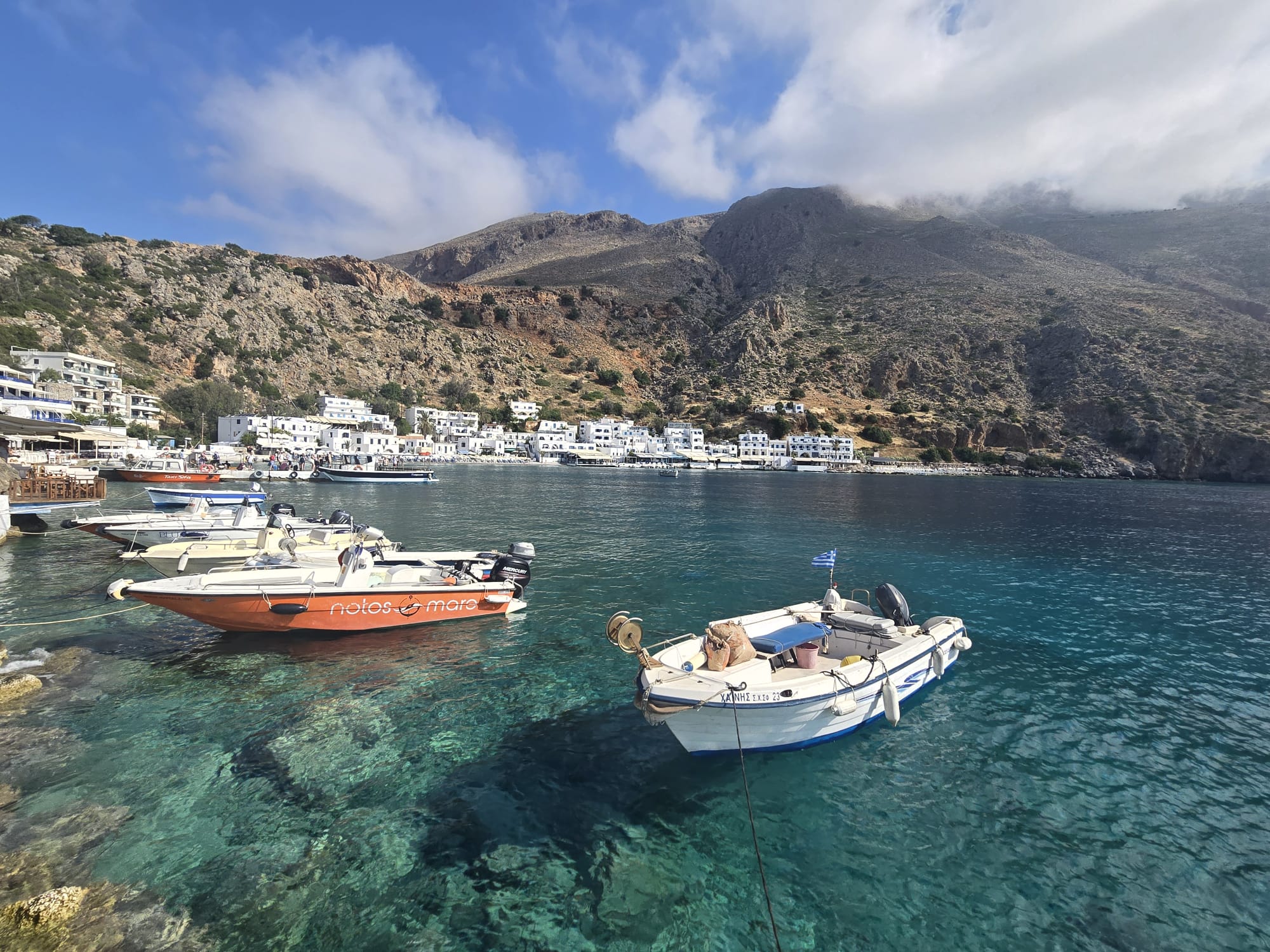
Crete — visited twice: once in AC Odyssey, once for real
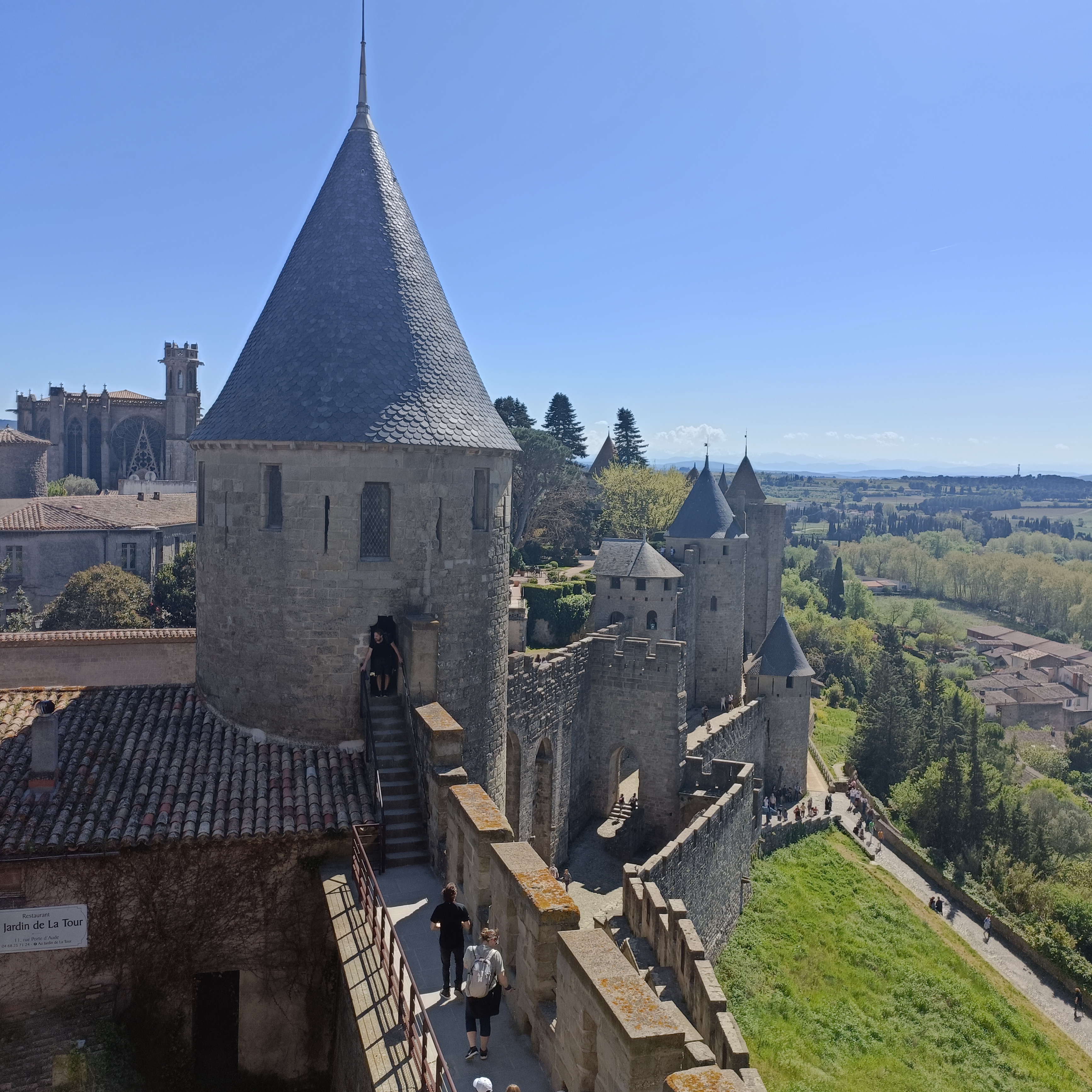
carcassone
Carcassonne — yes, the board game is named after it, and yes, I mentally placed meeples on the ramparts.
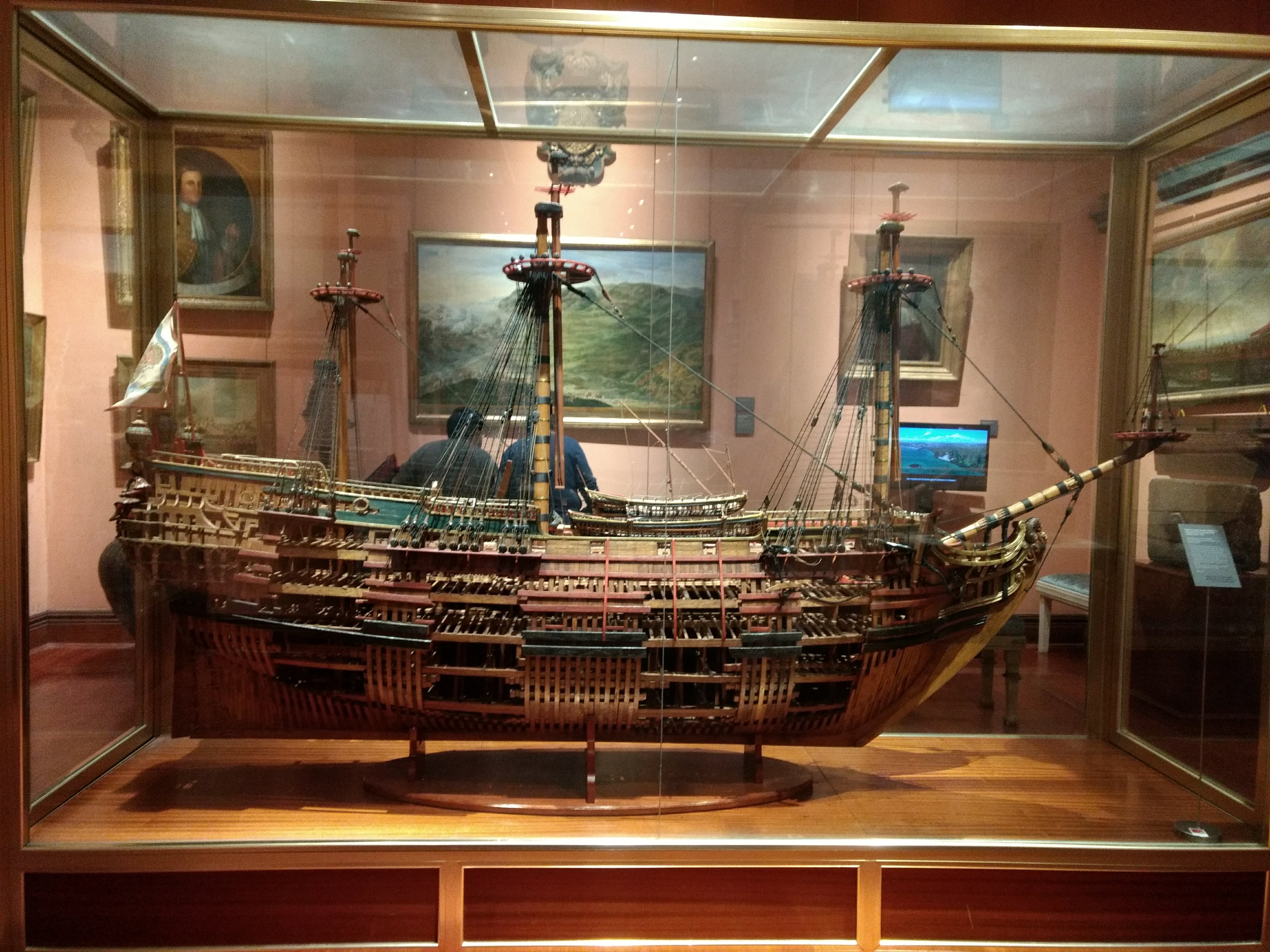
maritime_museum_madrid
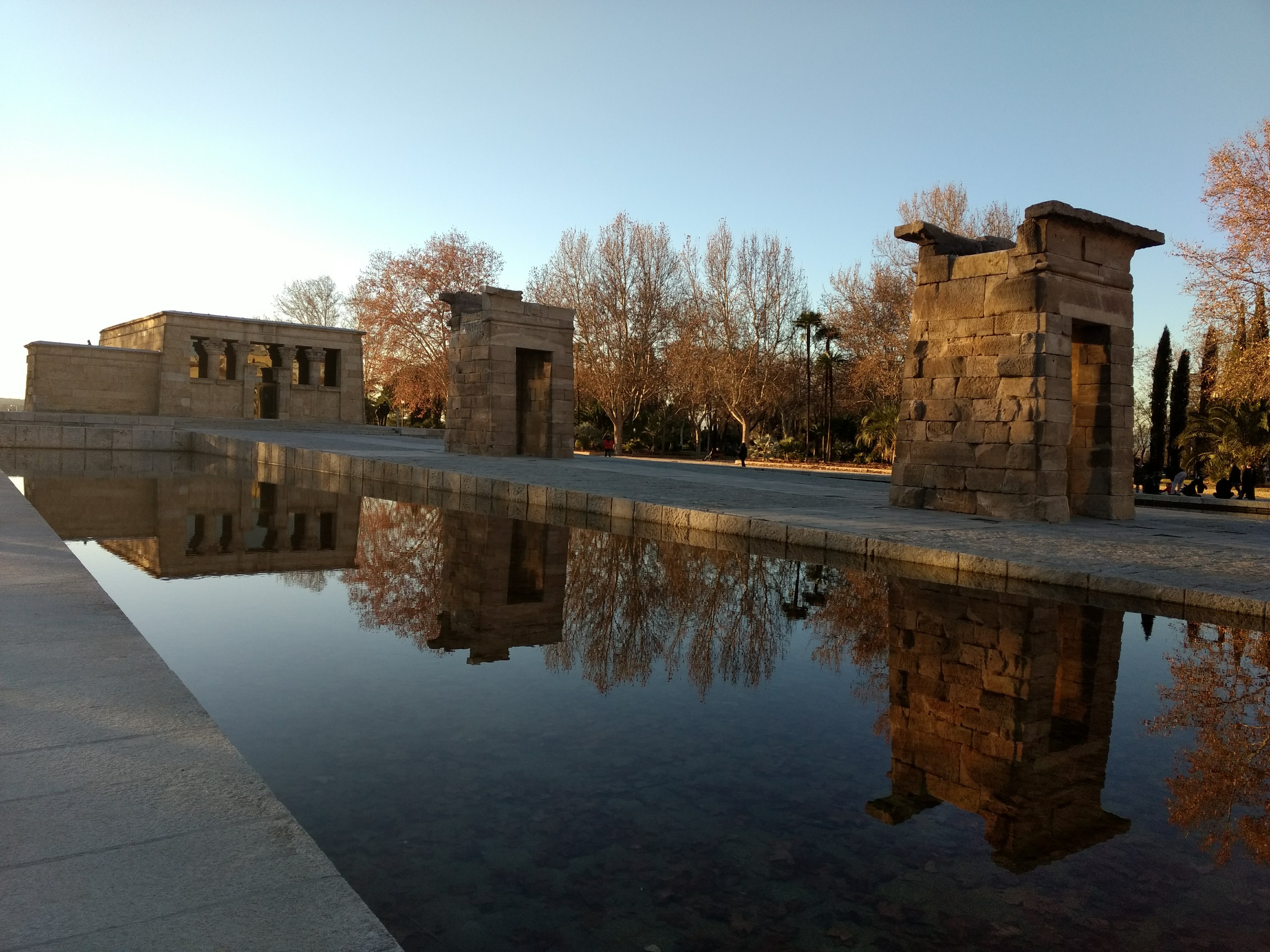
Madrid's naval museum — centuries of navigating the unknown with wood, sails and very good maps.
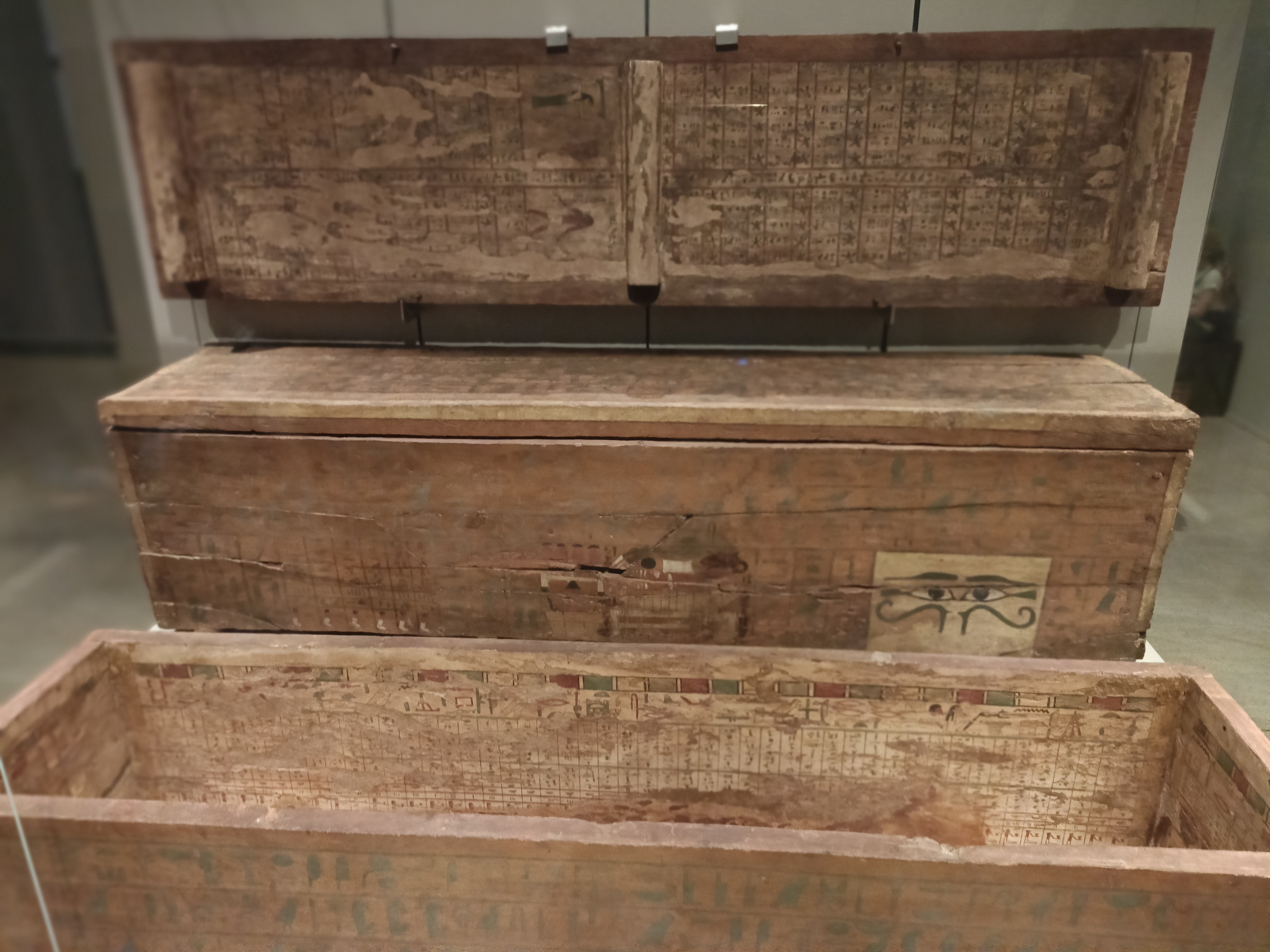
egpytion_museum
Turin — the greatest Egyptian collection outside Cairo; the closest I've come to my mythology wishlist, so far.
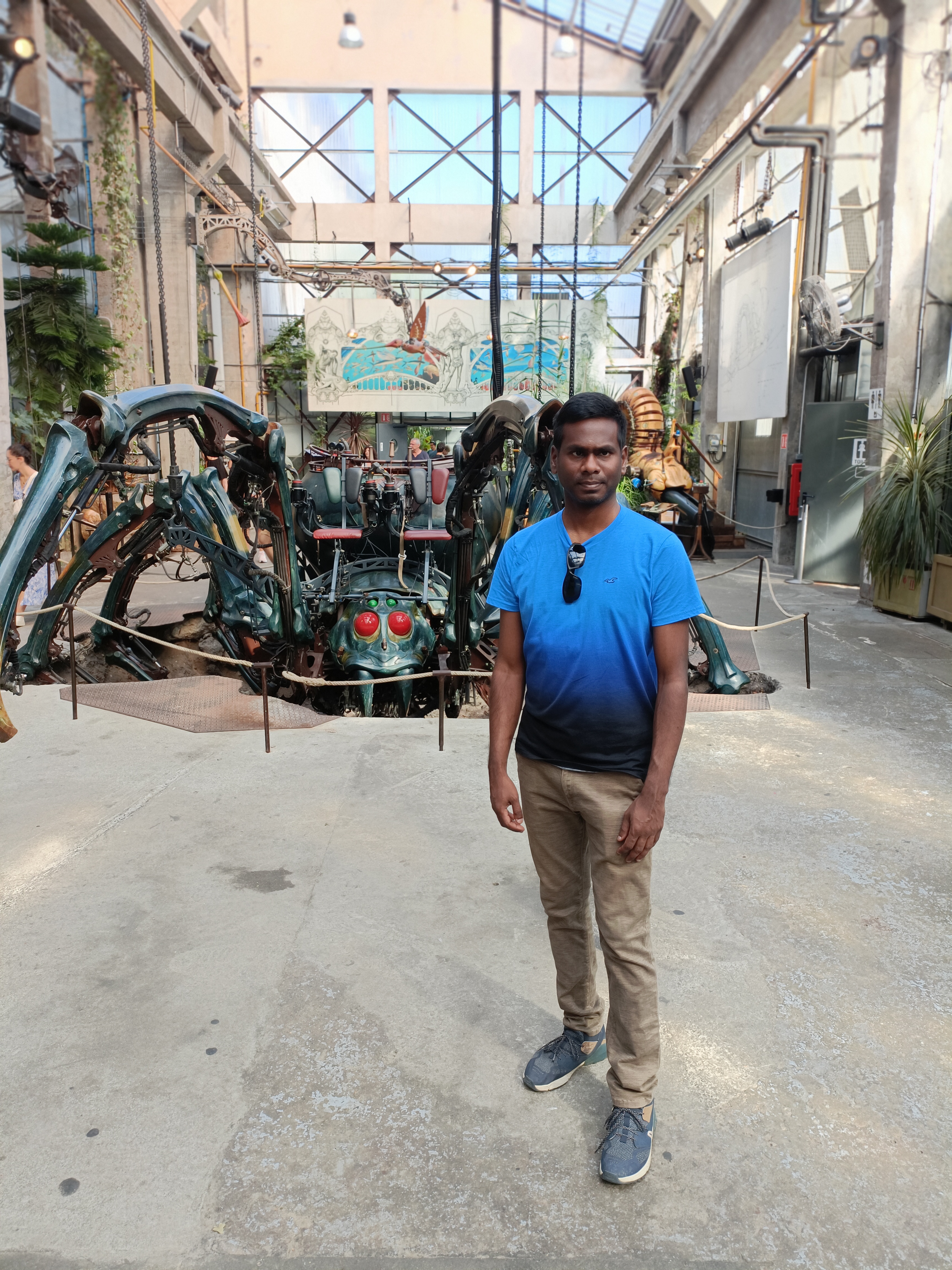
nantes
Nantes — where engineers built a twelve-metre mechanical elephant, proving whimsy scales.
calanque
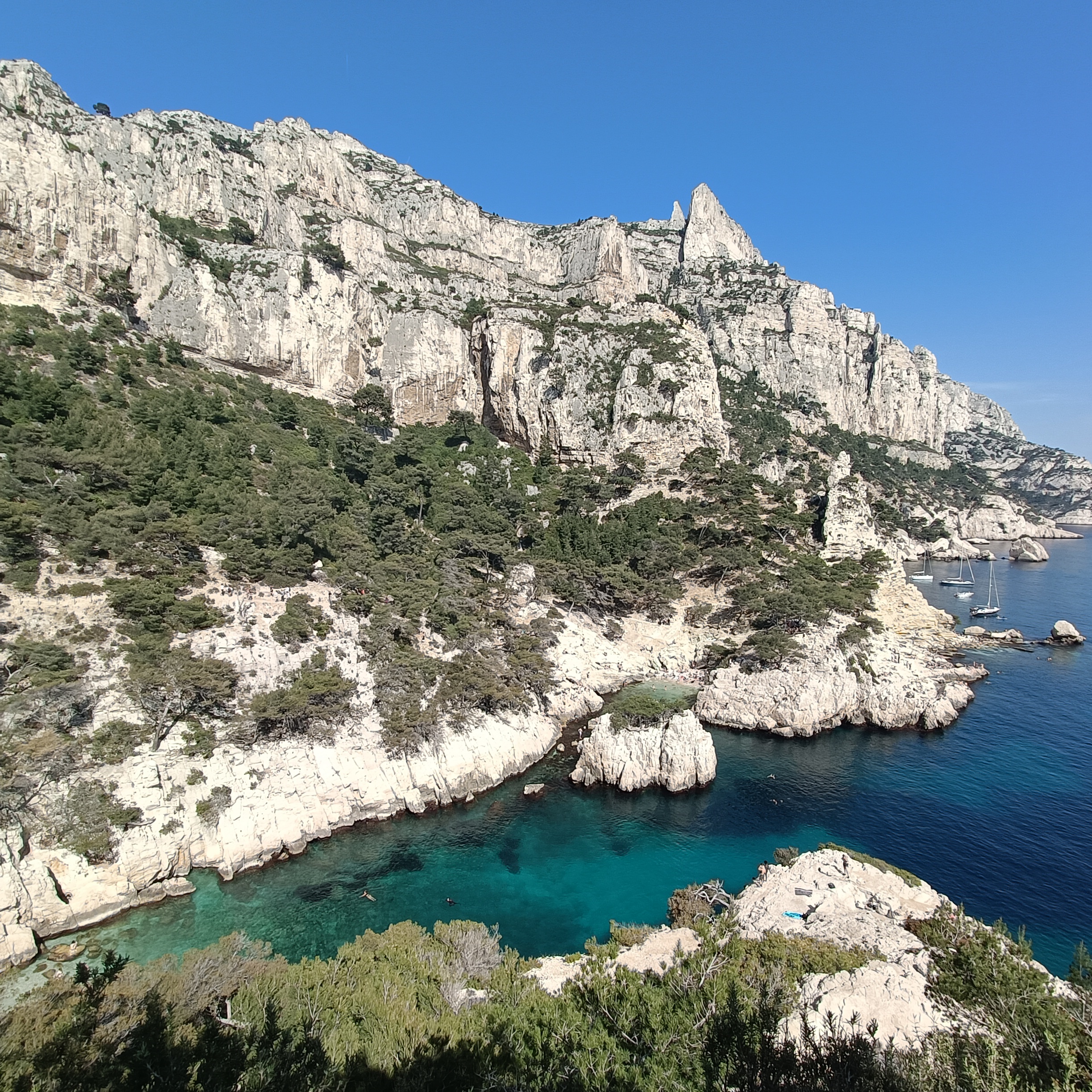
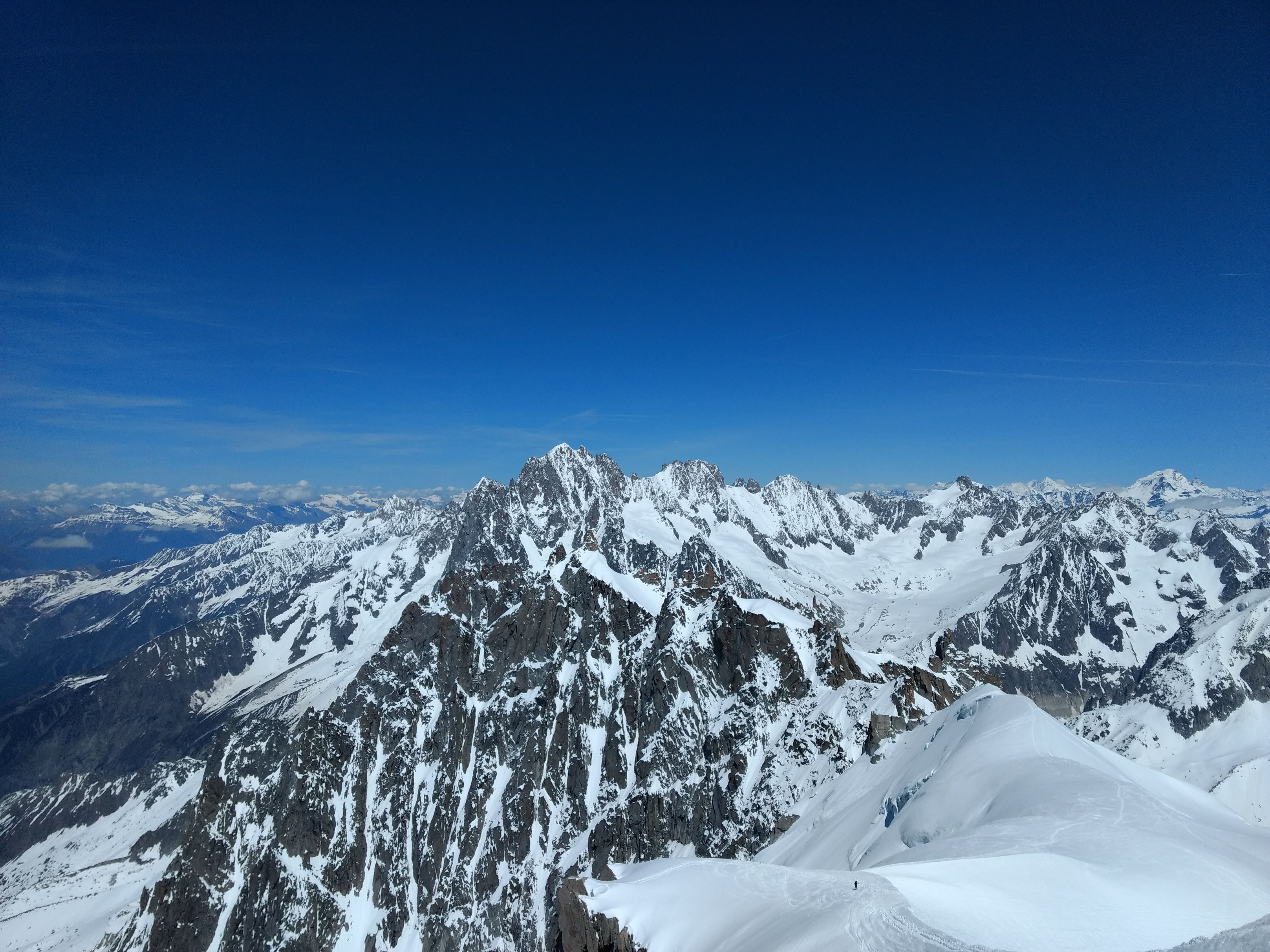
The Calanques — where the limestone drops into water so blue it looks rendered.
un_conference_room
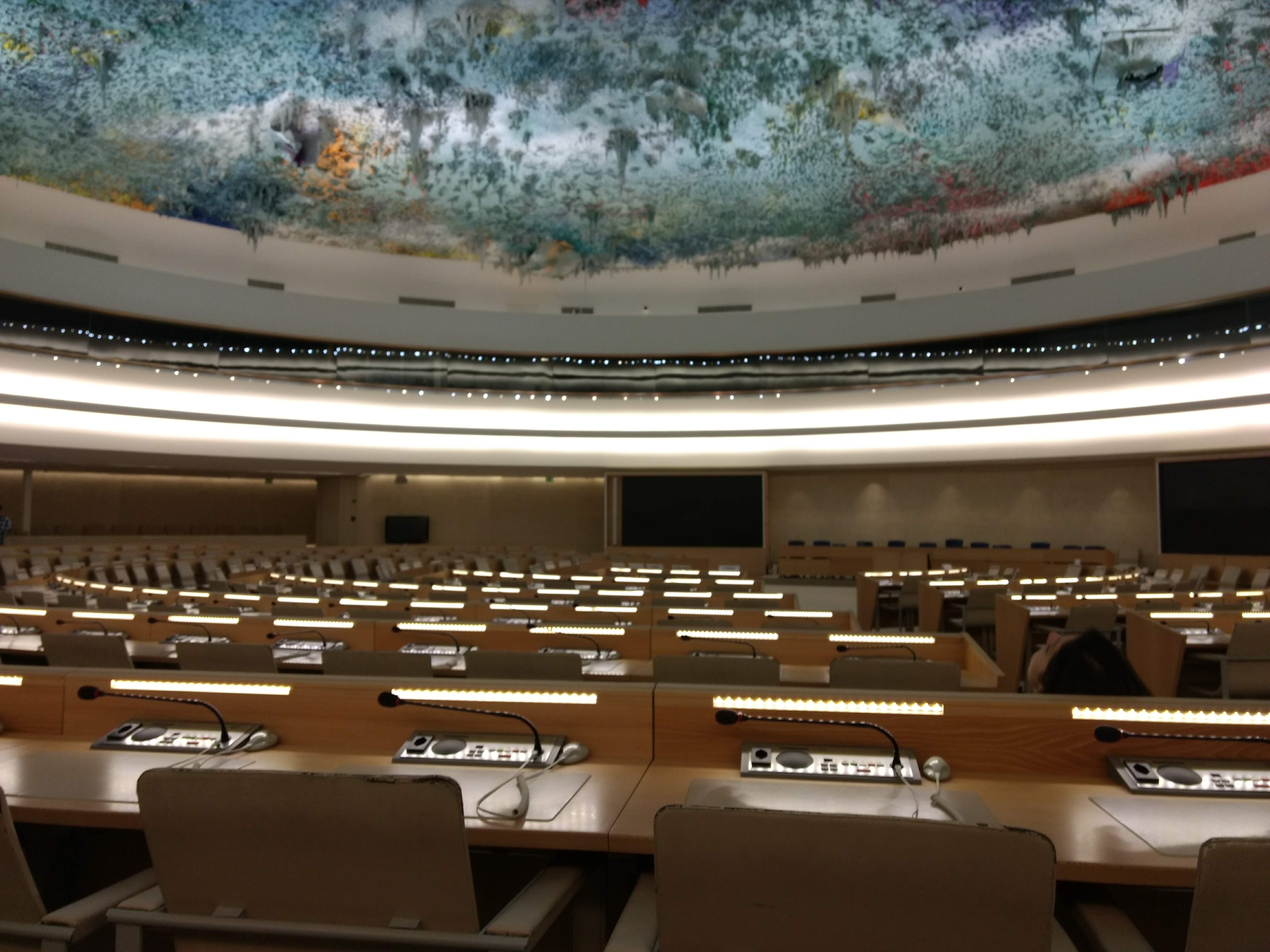
Palais des Nations, Geneva — one international organisation visiting another.

Greek and Egyptian mythology are my particular obsessions — pantheons, myths, and the archaeology underneath them. My favourite travel game: visiting the real-world locations I first explored virtually in the Assassin's Creed series. Standing on the actual Acropolis after climbing its digital twin in Odyssey is a strange and wonderful kind of déjà vu — and it has quietly shaped half my travel wishlist, with Egypt near the top.


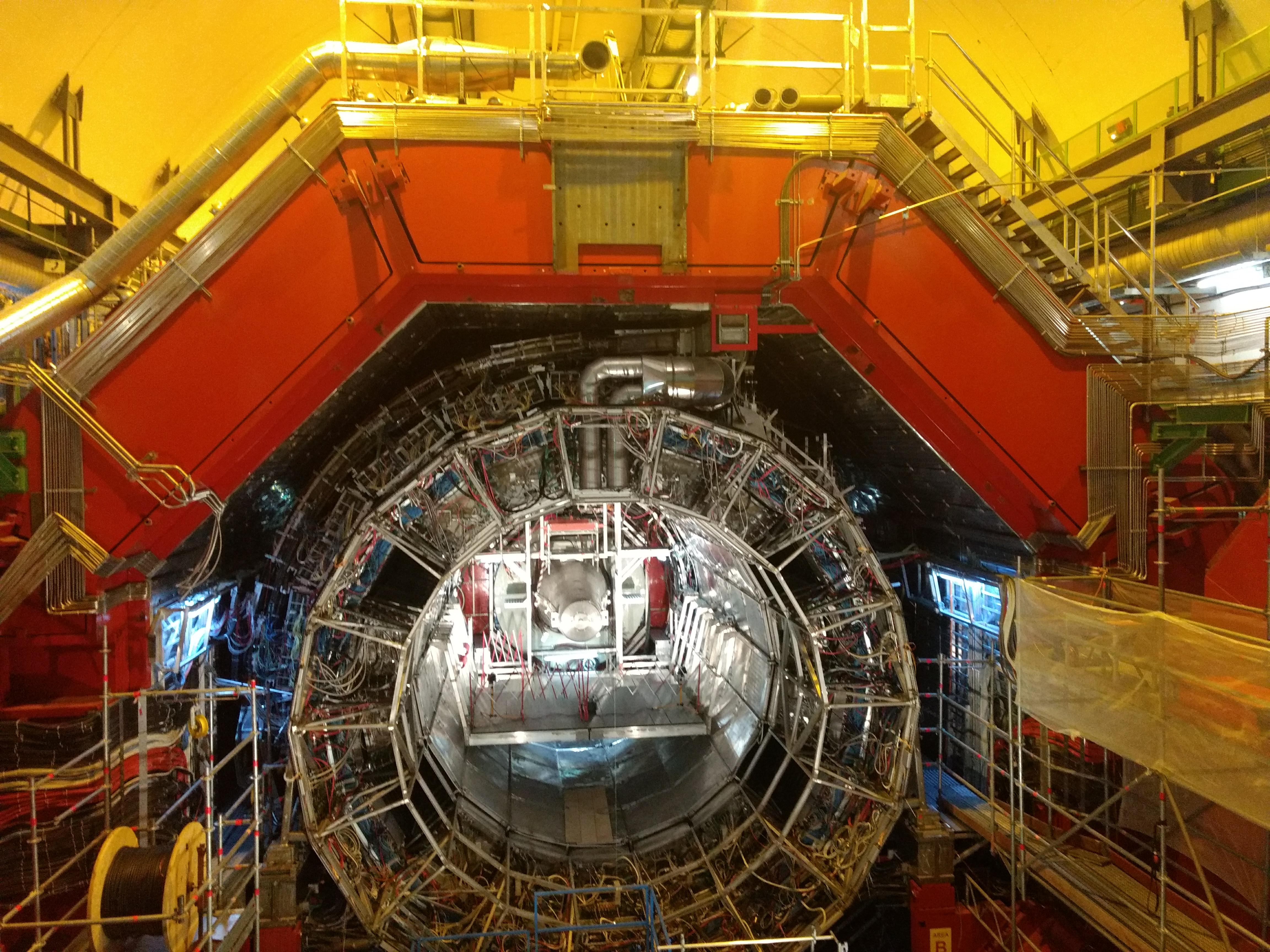
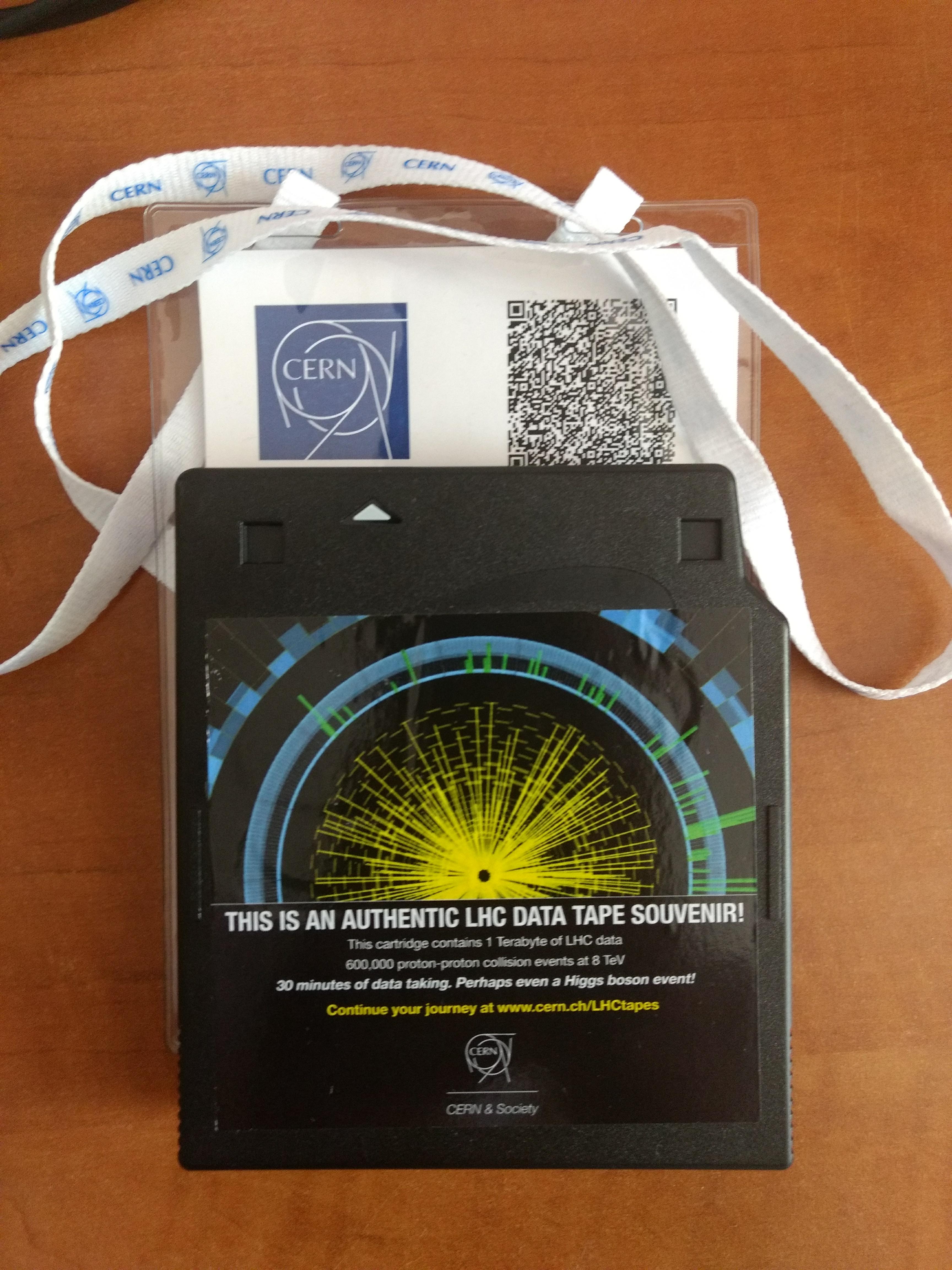
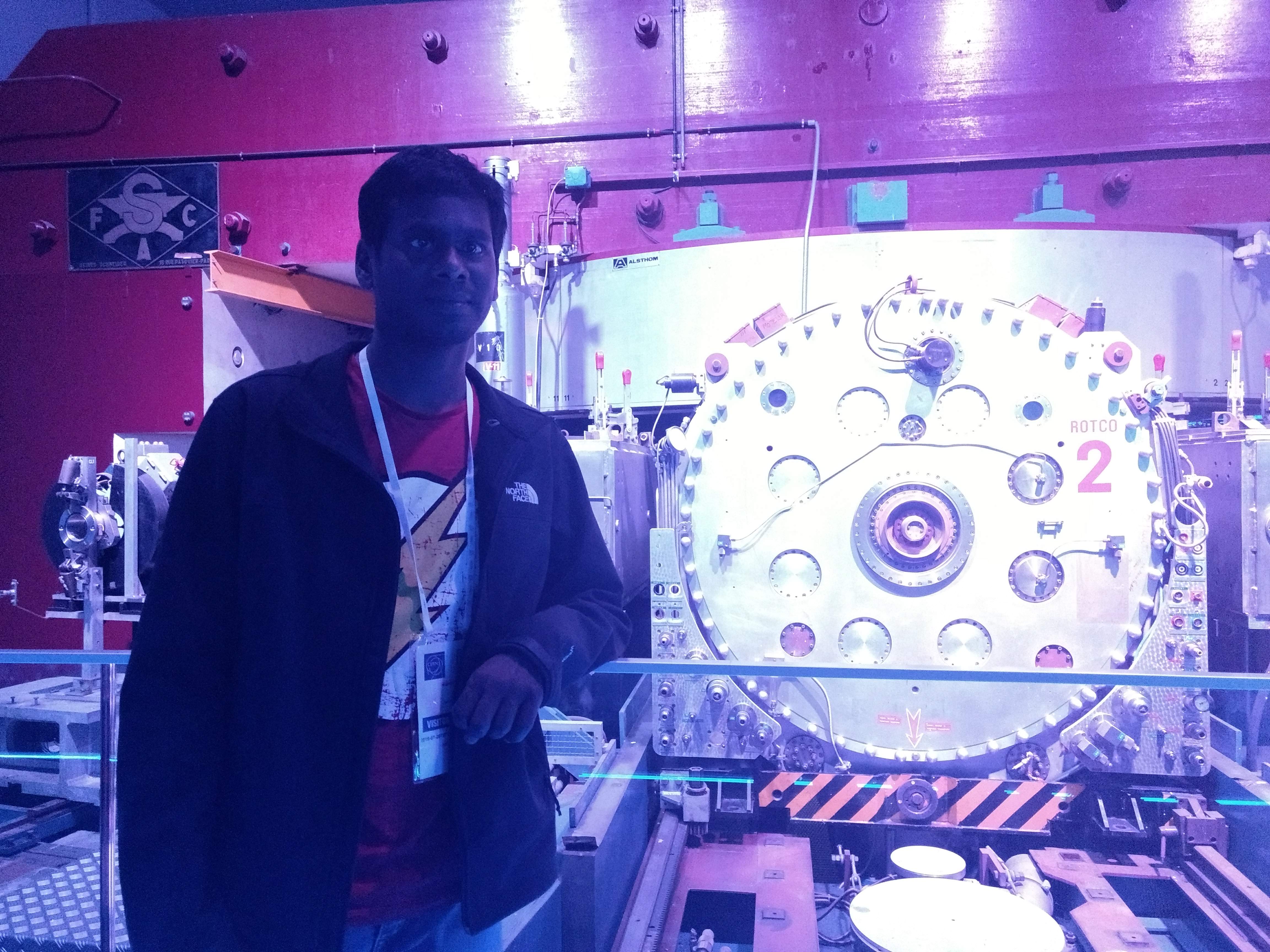
Physics and cosmology are a lifelong fascination — black holes, the speed of light, the machinery humanity builds to interrogate the universe. I've visited CERN several times, including the LHC tunnels and the data centre, and a piece of LHC data tape sits on my desk as a reminder of what computing in service of discovery looks like.

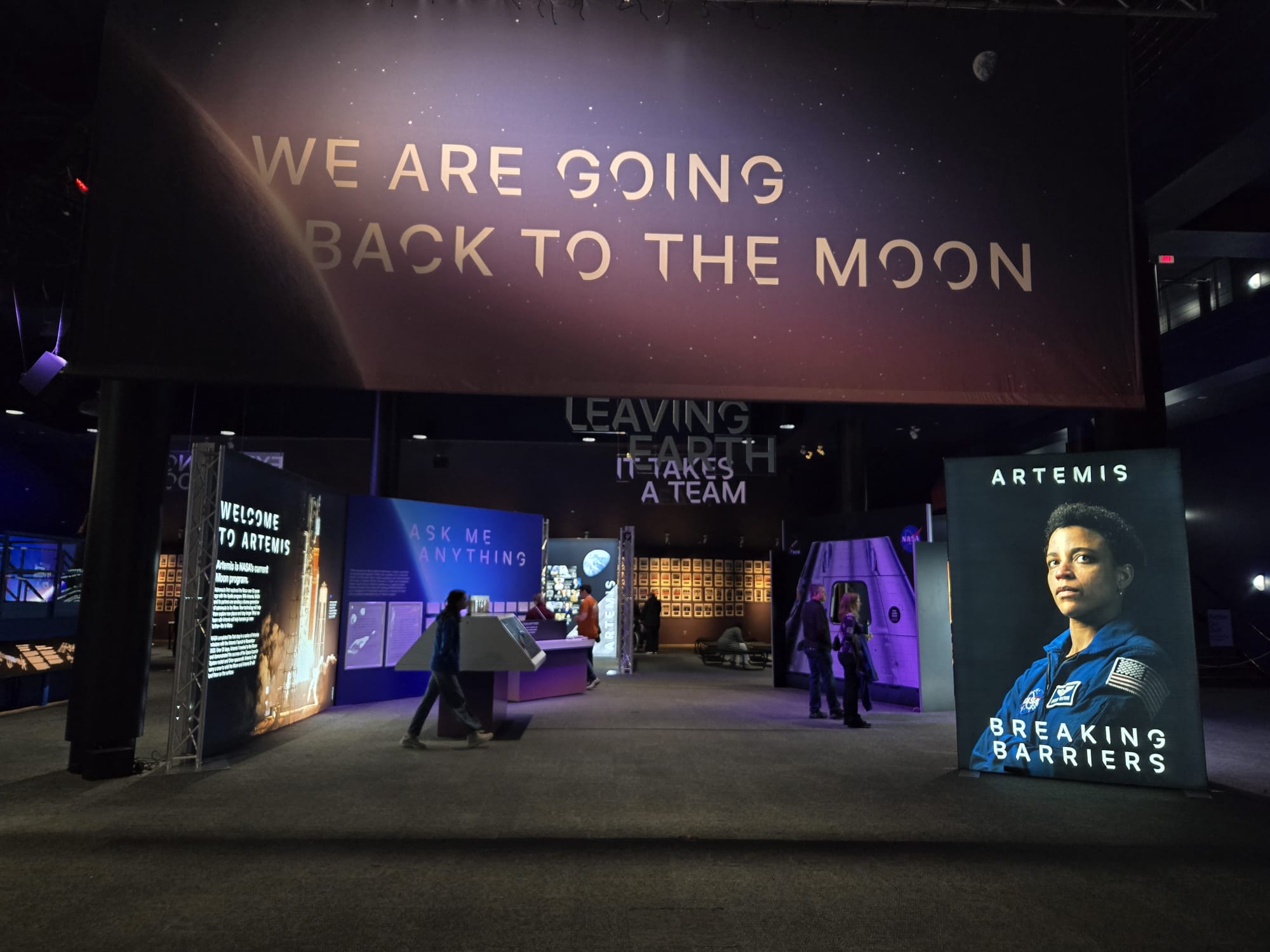
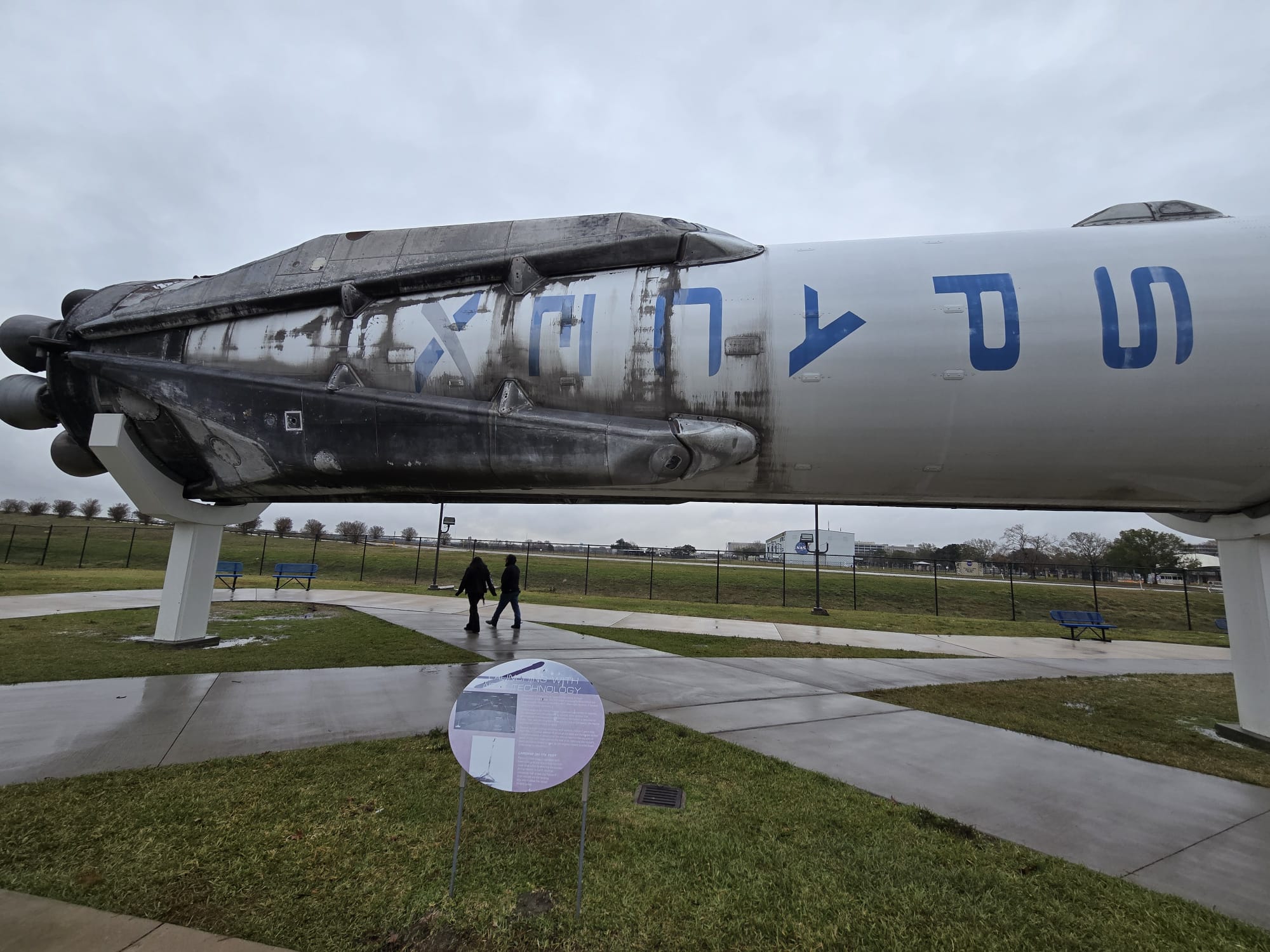
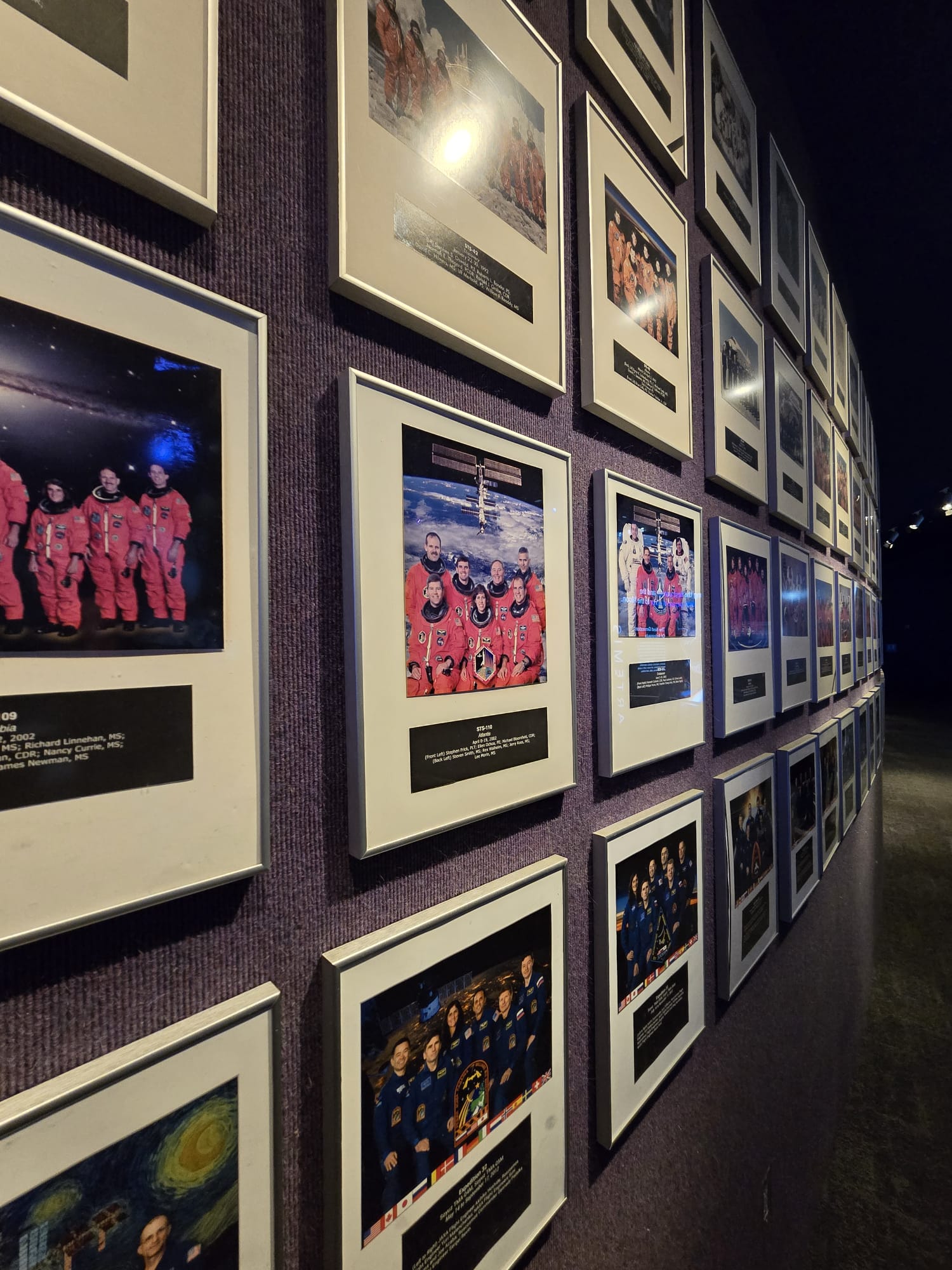
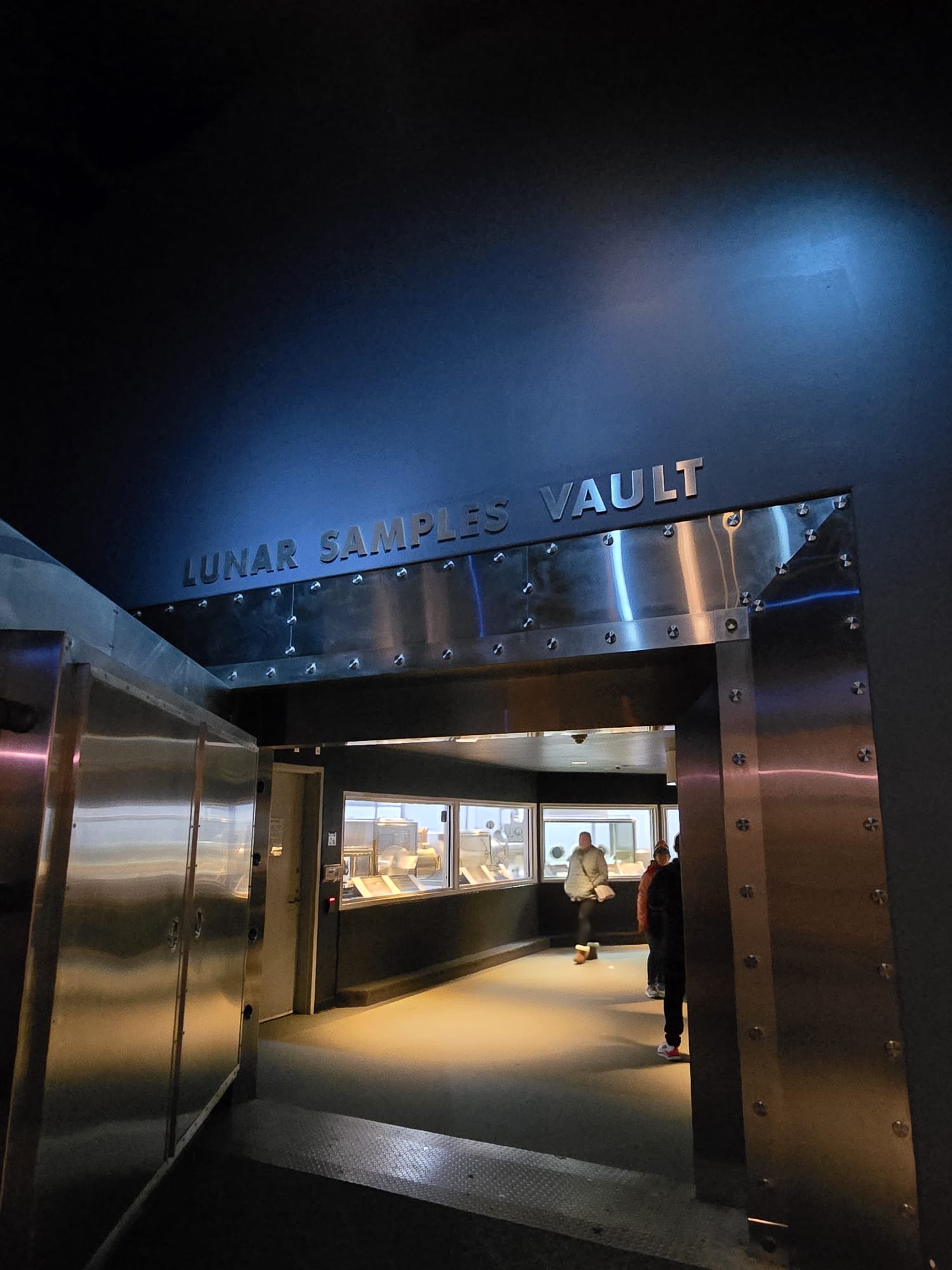
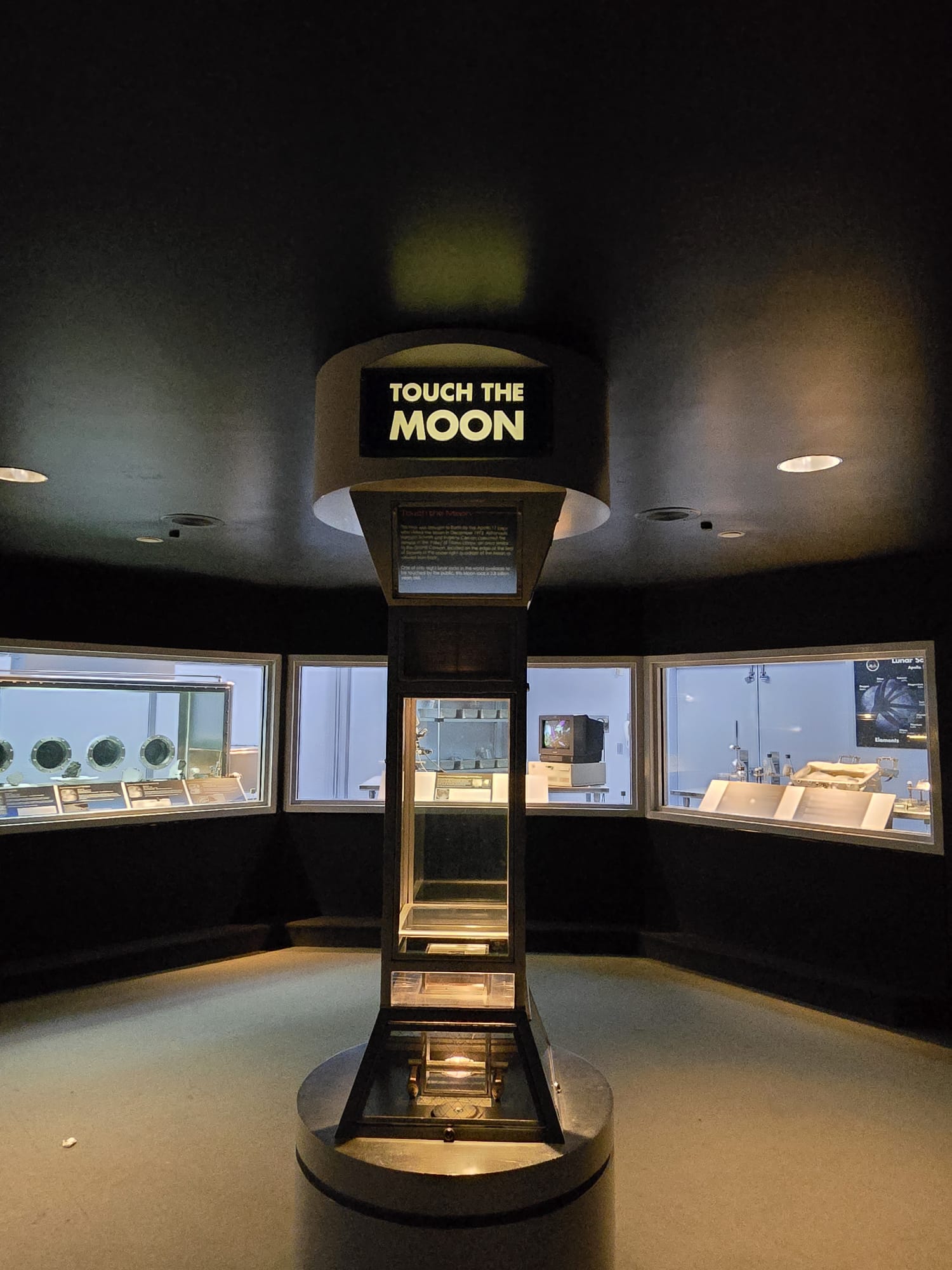
The pilgrimage extends across the Atlantic too: at Space Center Houston I touched an actual Moon rock — a few billion years of history under one fingertip — walked the exhibits from Mercury to the Shuttle era, and got a close look at the Artemis programme that's taking humanity back to the Moon. Between the LHC and Mission Control, I've now stood in both cathedrals of big science.

cern_exhibit
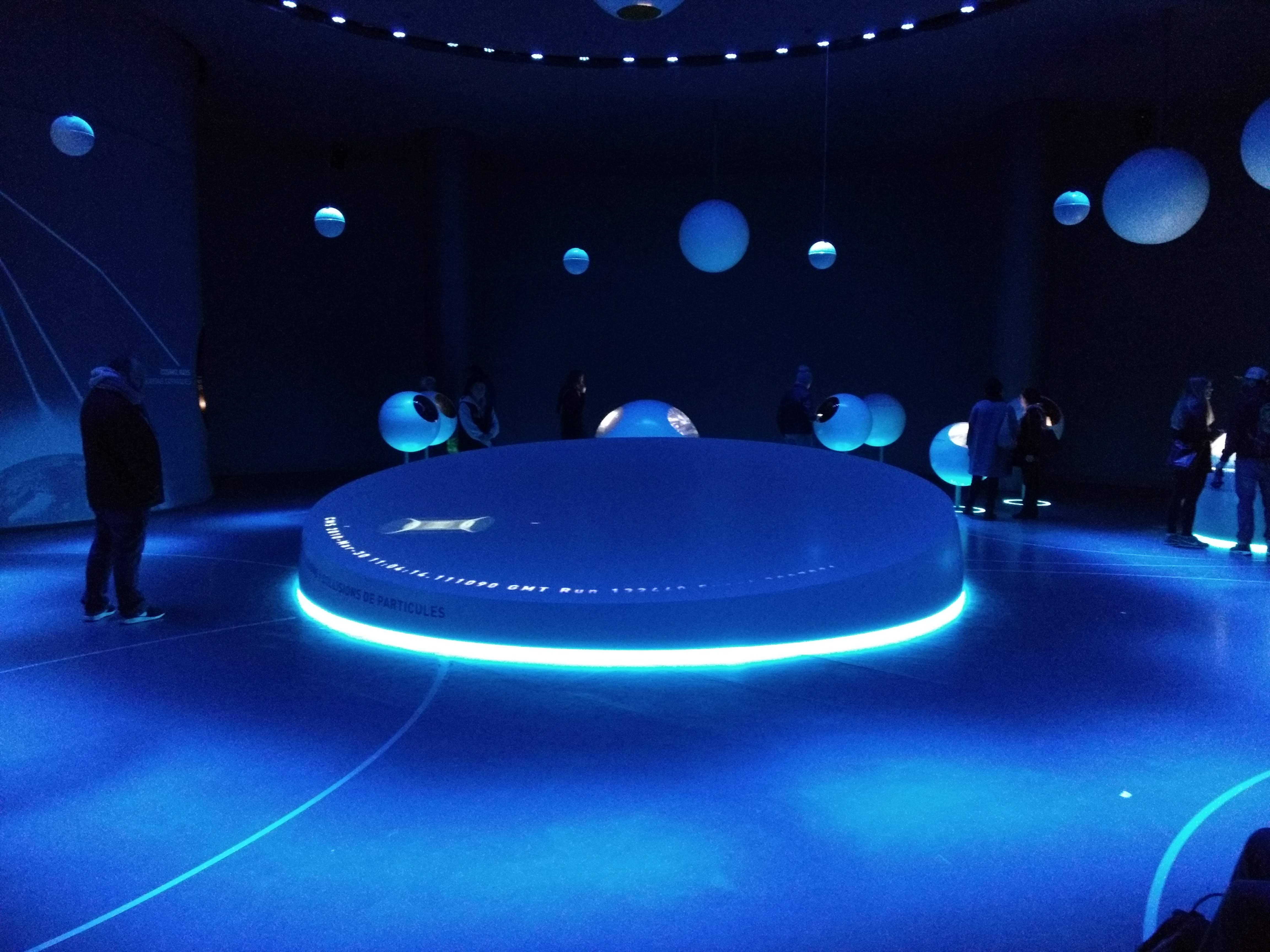
LHC underground visit
cern_hdd
the LHC tape souvenir
cern
CERN, Meyrin — the visitor's view
artemis
Project Artemis
falcon
Falcon 9, Space Center Houston
nasa_missions
NASA Missions
lunar_samples
Lunar Samples Vault
moon
Of course I touched the moon

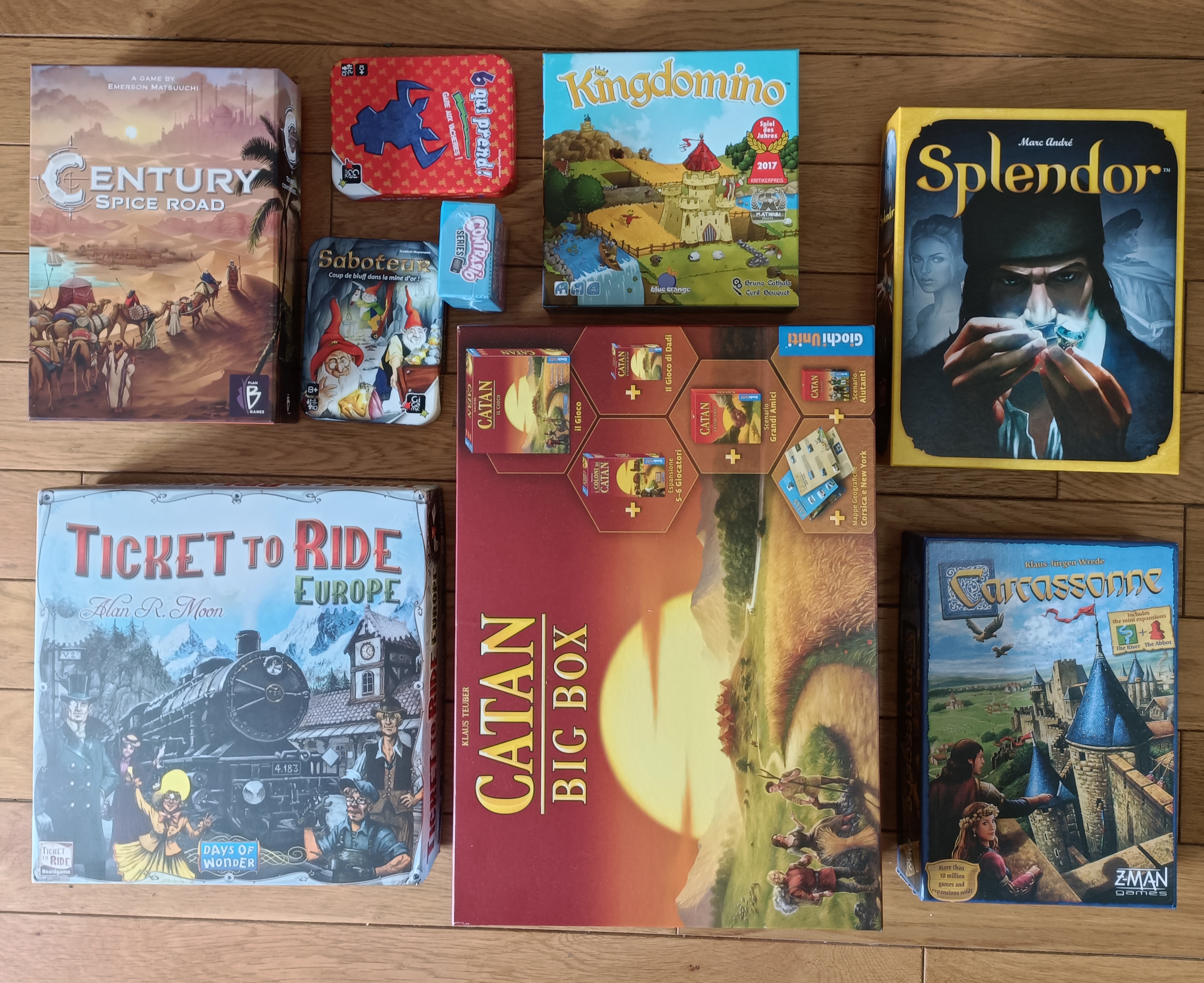
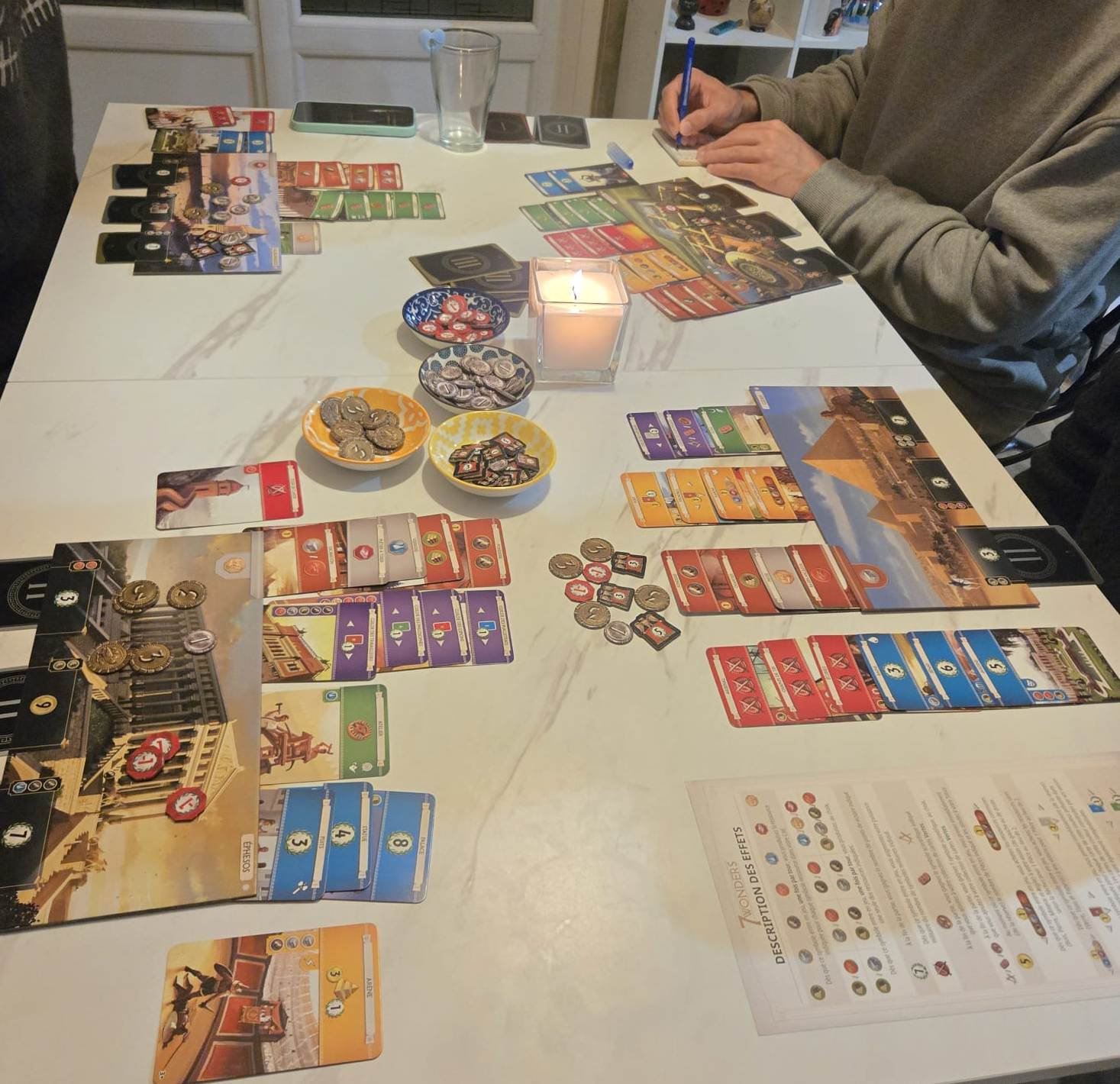
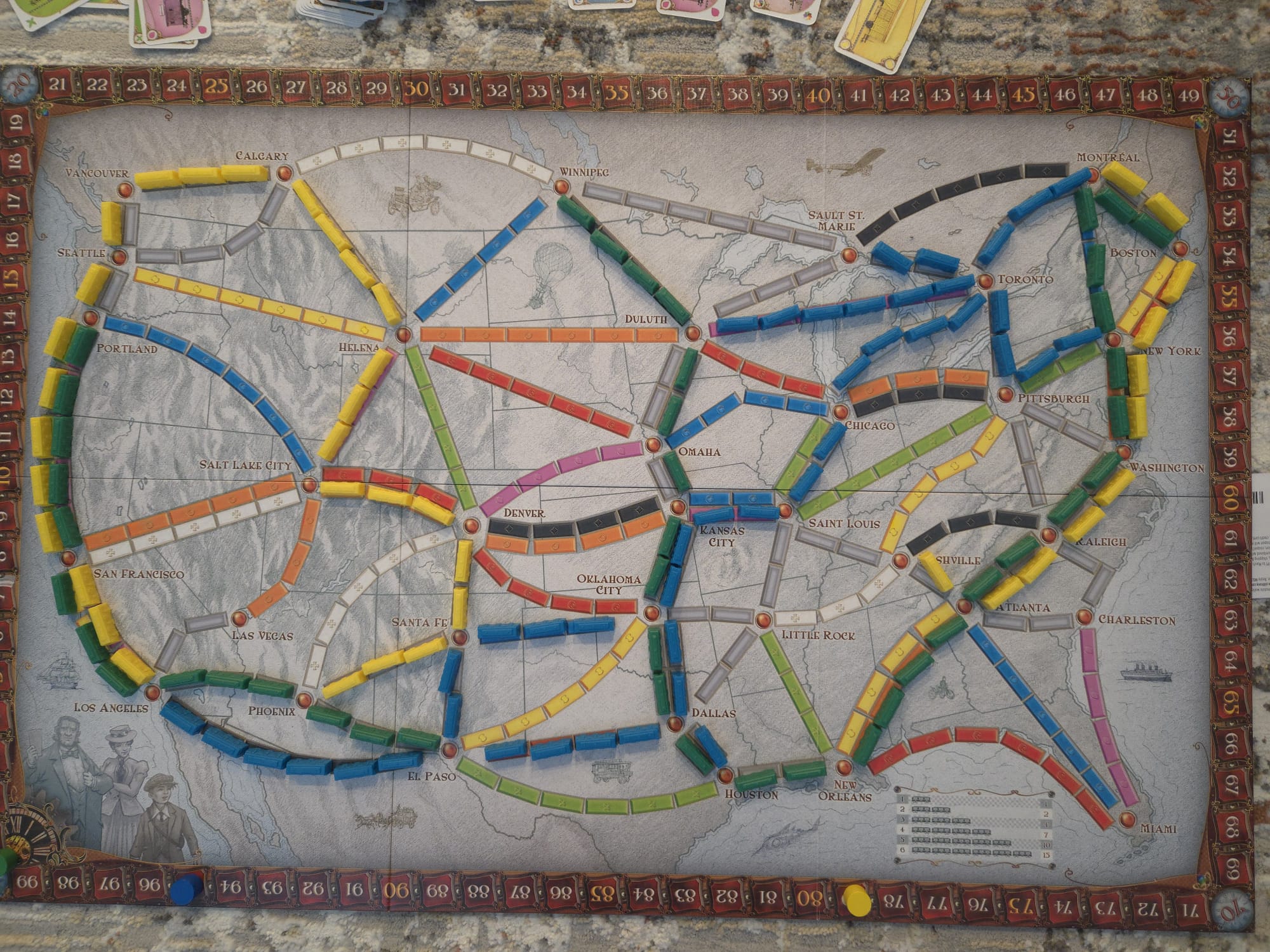
I host board game nights — at home and at work — and take them entirely too seriously. Catan, 7 Wonders and Ticket to Ride are the house staples, with a rotating cast of strategy games alongside. And when in doubt: chess. Any day, chess. There's a straight line between what I enjoy in games and what I enjoy in engineering — resource trade-offs, planning under uncertainty, and the occasional brutally efficient opening.

Chess — any day Catan7 Wonders Ticket to Ridestrategy games game night host
7_wonders
7 Wonders
ticket_ride
Ticket to Ride

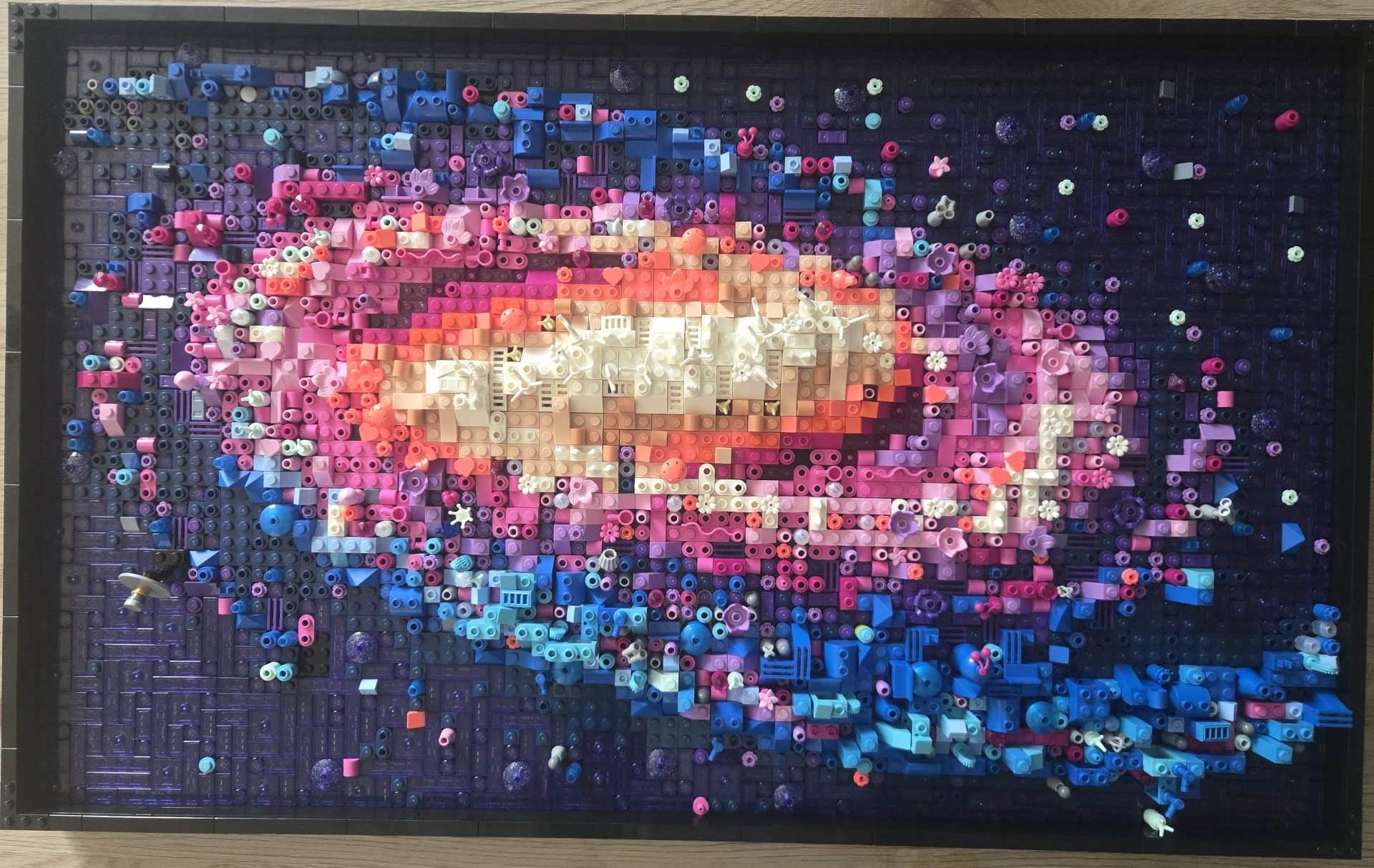
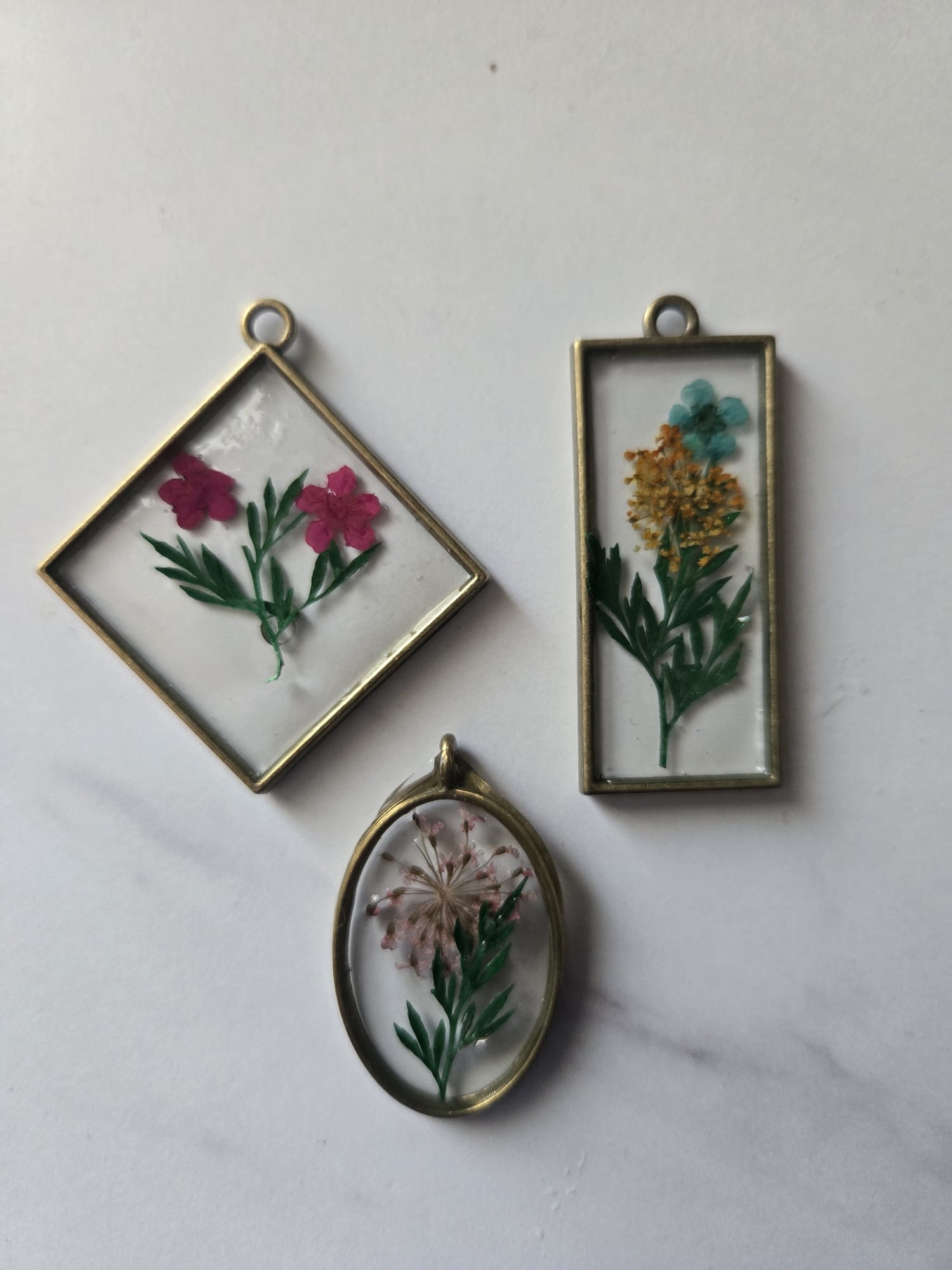
When I'm not assembling GPU clusters, I'm assembling Lego — there's something deeply satisfying about a thousand pieces becoming exactly what the box promised. My newest experiment runs the other direction entirely: dry flower resin art, where nothing is guaranteed and every pour is a small act of hope. One hobby is deterministic, the other is not. I need both.

Milkyway
Lego Milky Way — 3,091 pieces of galaxy
Resin Art
Early experiments

Languages

Tamil · native English · fluent French · improving German · basic Russian · basic